When crafting narratives of past events, historians consult primary sources – firsthand accounts and original records from the time period being studied. Among the most valuable primary sources are journals and diaries, repositories of memory where people record personal impressions, emotions, and experiences, allowing historians to compare and contrast these very subjective accounts with other accounts in newspapers, books, and journals. The Reverend Thomas Smith (1701-1795) and James Melvin have journals that shed particular light on events of the Revolutionary War in Maine.
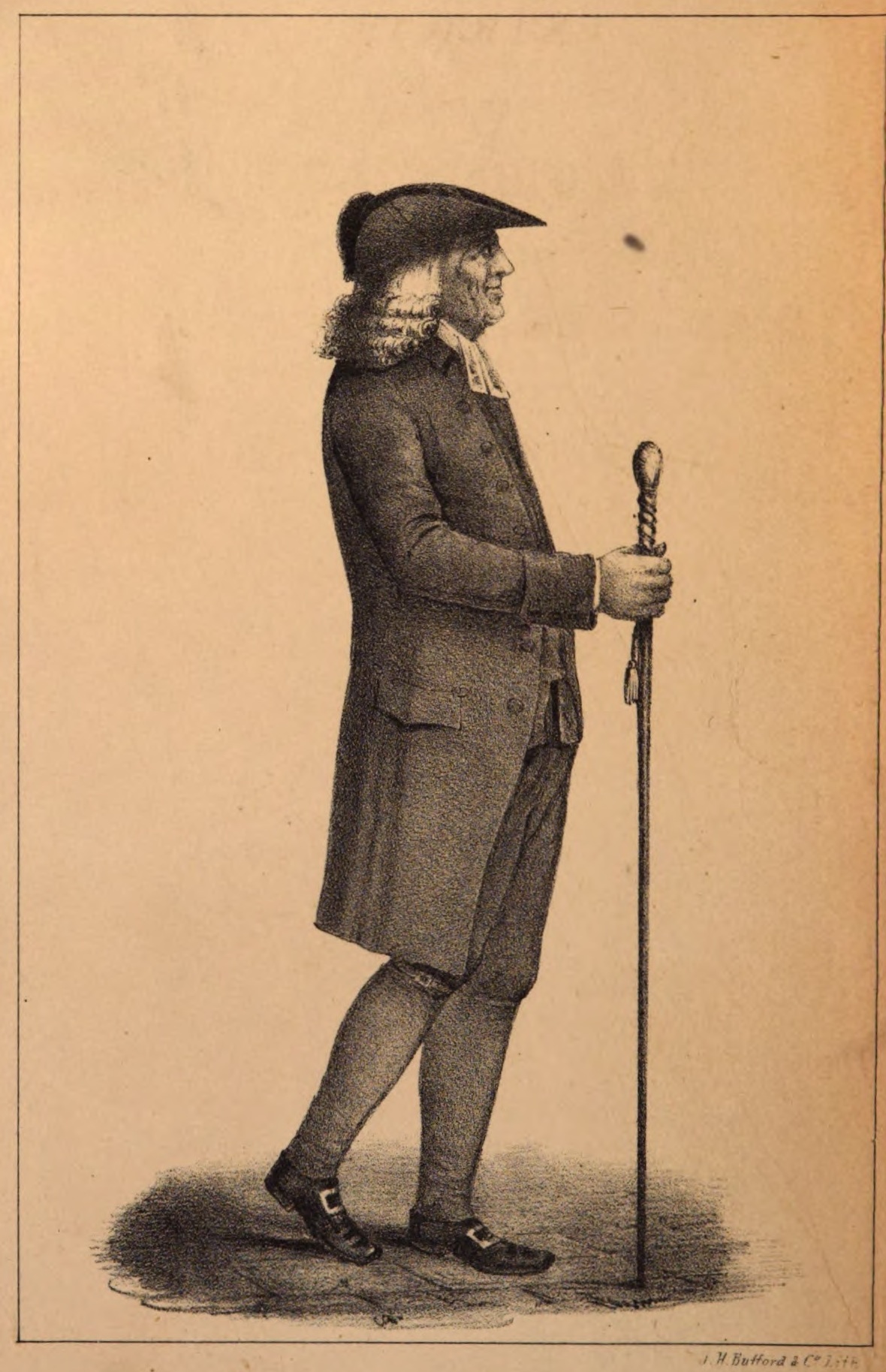
Rev. Thomas Smith
Rev. Smith was the pastor of the First Church of Christ in Falmouth (now Portland) from 1727-1795. Smith witnessed the Burning of Falmouth in 1775 and wrote about it in his journal.
October 16 - A fleet of five of six vessels of war anchored at the Island with Mowet, a cat bomb ship, two cutter schooners and a small bomb sloop.
October 17 - They came up before the town, P.M. sent word that in two hours they should fire upon the town, which was respited,
October 18 - 'till nine this morning, when they began and continued 'till darkm with their mortars and cannon, when with marines landing, they burnt all the lower part of the town and up as far as Mr. Bradbury's, excepting Mrs. Ross' two houses, and son Thomas' shop and stores, my house being included. I rode to Windham just before the firing began, as did Mrs. Smith yesterday. A solemn time!
Smith, Thomas, and Samuel Freeman. Extracts from the Journals Kept by the Rev. Thomas Smith: Late Pastor of the First Church of Christ in Falmouth, in the County of York, (now Cumberland,) from the Year 1720, to the Year 1788, with an Appendix, Containing a Variety of Other Matters. Portland: Printed by Thomas Todd, 1821. Viewed on HathiTrust
James Melvin
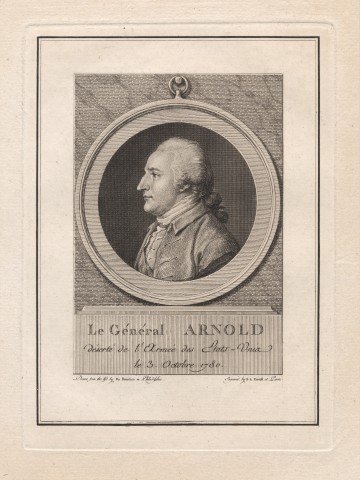
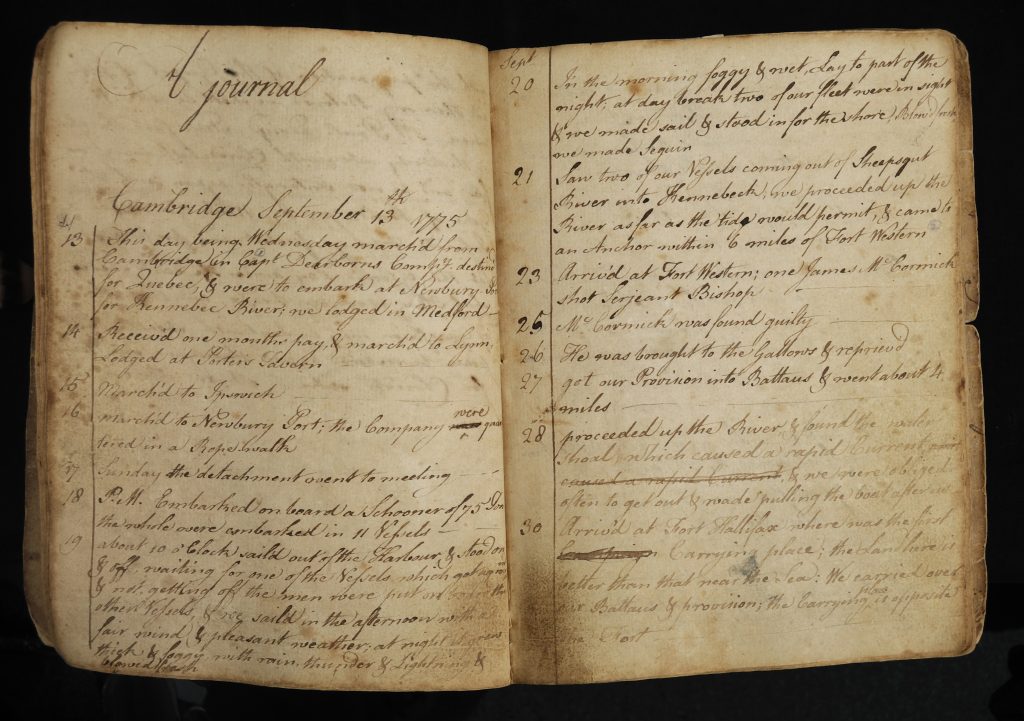
James Melvin, a private in Captain Dearborn’s company, kept a journal during Benedict Arnold’s much-maligned expedition to Quebec in the fall of 1775. While crossing through the Maine wilderness to Quebec, Melvin wrote about the difficulties he and others experienced.
October 16 - Crossed the third pond, about one and a half miles over. We got over the fourth carrying-place, four and a half miles in length; part of the way over a boggy swamp over-grown with white moss and bushes, which seemed half withered; found it difficult getting over our batteaux and barrels, sinking knee deep in moss and mud. We launched our batteauz into a small creek which enteres the Dead River.
October 28 - Came down Chadeur river in a birch canoe, and went to fetch back a batteau to carry the men across a river, but could not overtake them. The company were ten miles, wading knee deep among alders, &c., the greatest part of the way, and came to a river which had overflown the land. We stopped some time not knowing what to do, and at last were obliged to wade through it, the ground giving way under us at every step. We got on a little knoll of land and went ten miles, where we were obliged to stay, night coming on, and we were all cold and wet; one man fainted in the water with fatigue and cold, but was helped along. We had to wade into the water and chop down trees, fetch the wood out of the water after dark to make a fire to dry ourselves; however, at last we got a fire, and after eating a mouthful of pork, laid ourselves down to sleep round the fire, the water surrounding us close to our heads; if it had rained hard it would have overflown the place we were in.
Melvin, James. A Journal of the Expedition to Quebec: In the Year 1775, Under the Command of Colonel Benedict Arnold. New York, 1857. Viewed on HathiTrust