Pamphlets published during the War

Documenting the History of the Revolution in Real Time
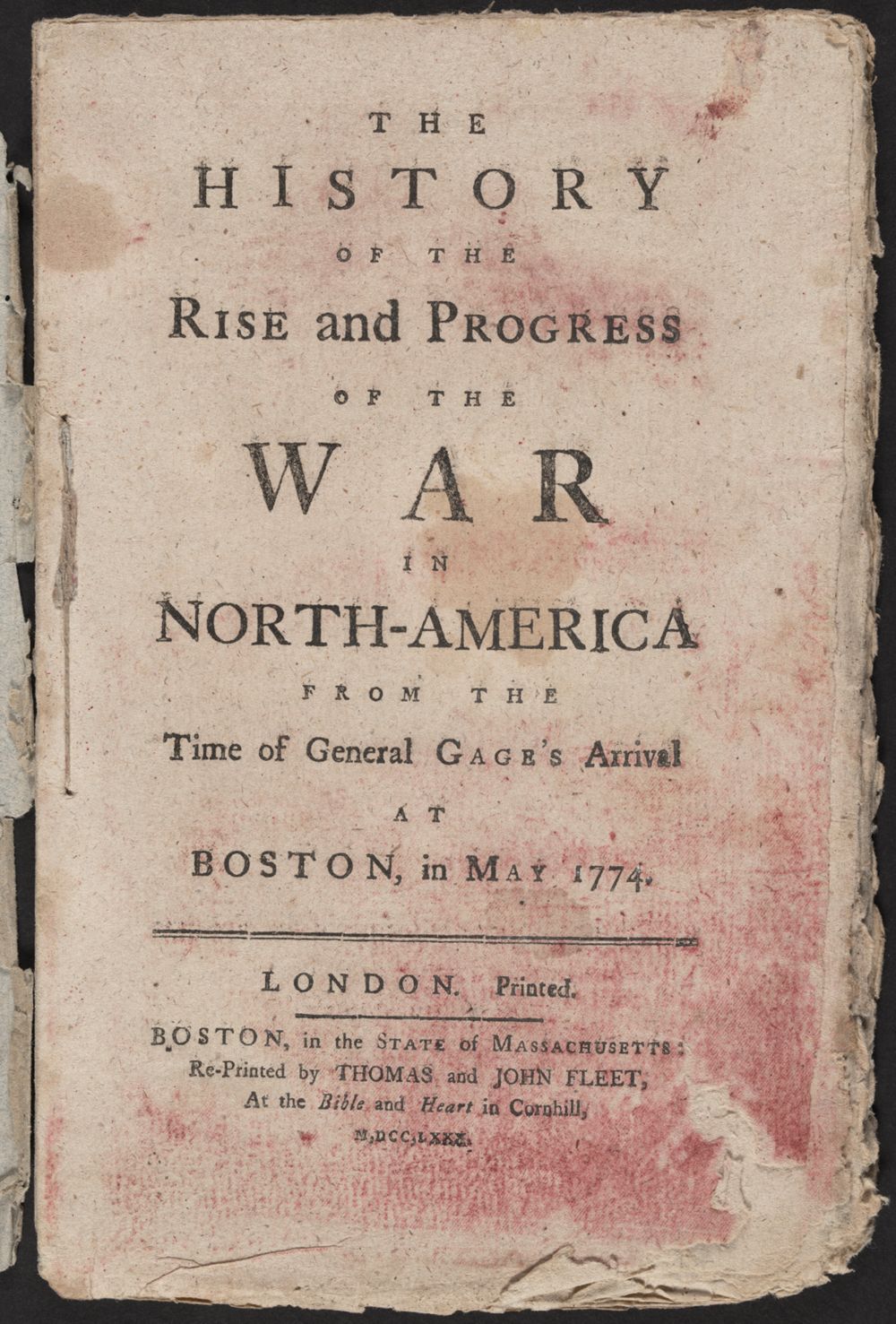
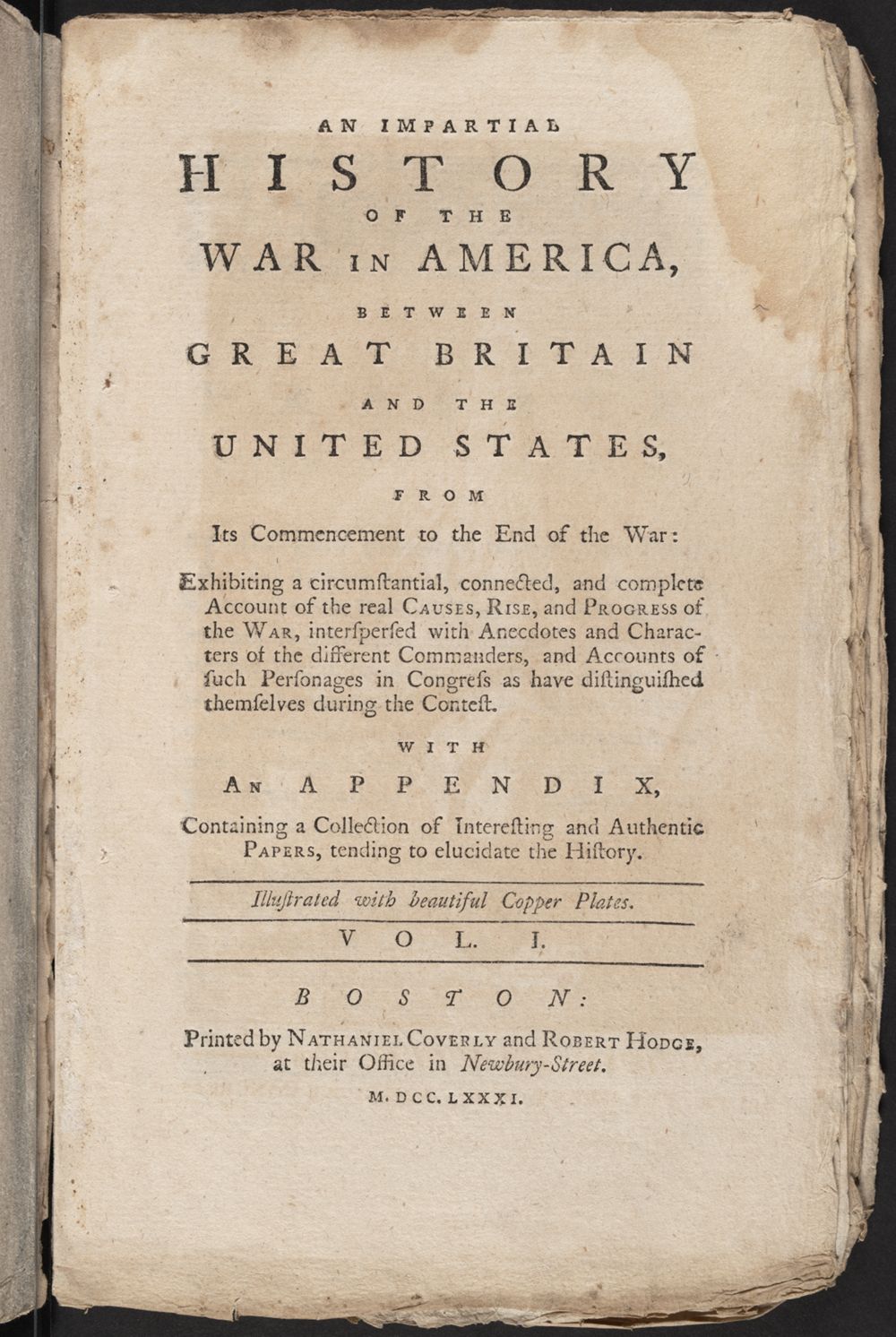
Cover page from a pamphlet printed during the Revolutionary War.
The History of the Rise and Progress of the War in North-America from the time of General Gage’s arrival at Boston, in May 1774, reprinted by Thomas and John Fleet, 1780 https://oshermaps.org/browse-maps?id=112600
Cover page from a pamphlet printed during the Revolutionary War.
An Impartial History of the war in America, between Great Britain and the United States, published by Nathaniel Coverly and Robert Hodge with copper engravings by John Norman, 1781 https://oshermaps.org/container?id=112594
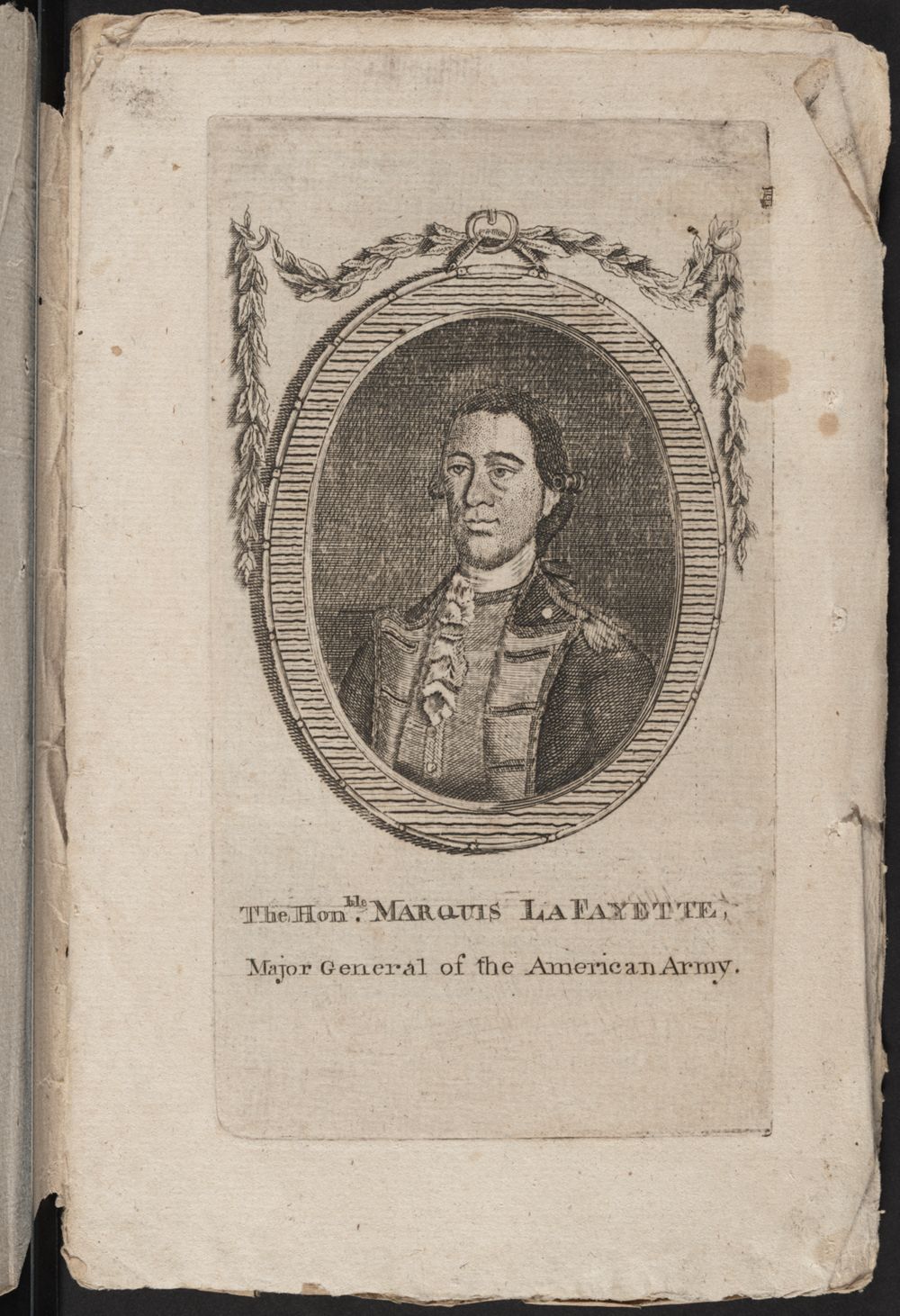
Engraved profile portrait of the Marquis de Lafayette.
The Marquis Lafayette, by John Norman, in Coverly and Hodge’s ‘Impartial History of the war…,’ 1781 https://oshermaps.org/container?id=112594
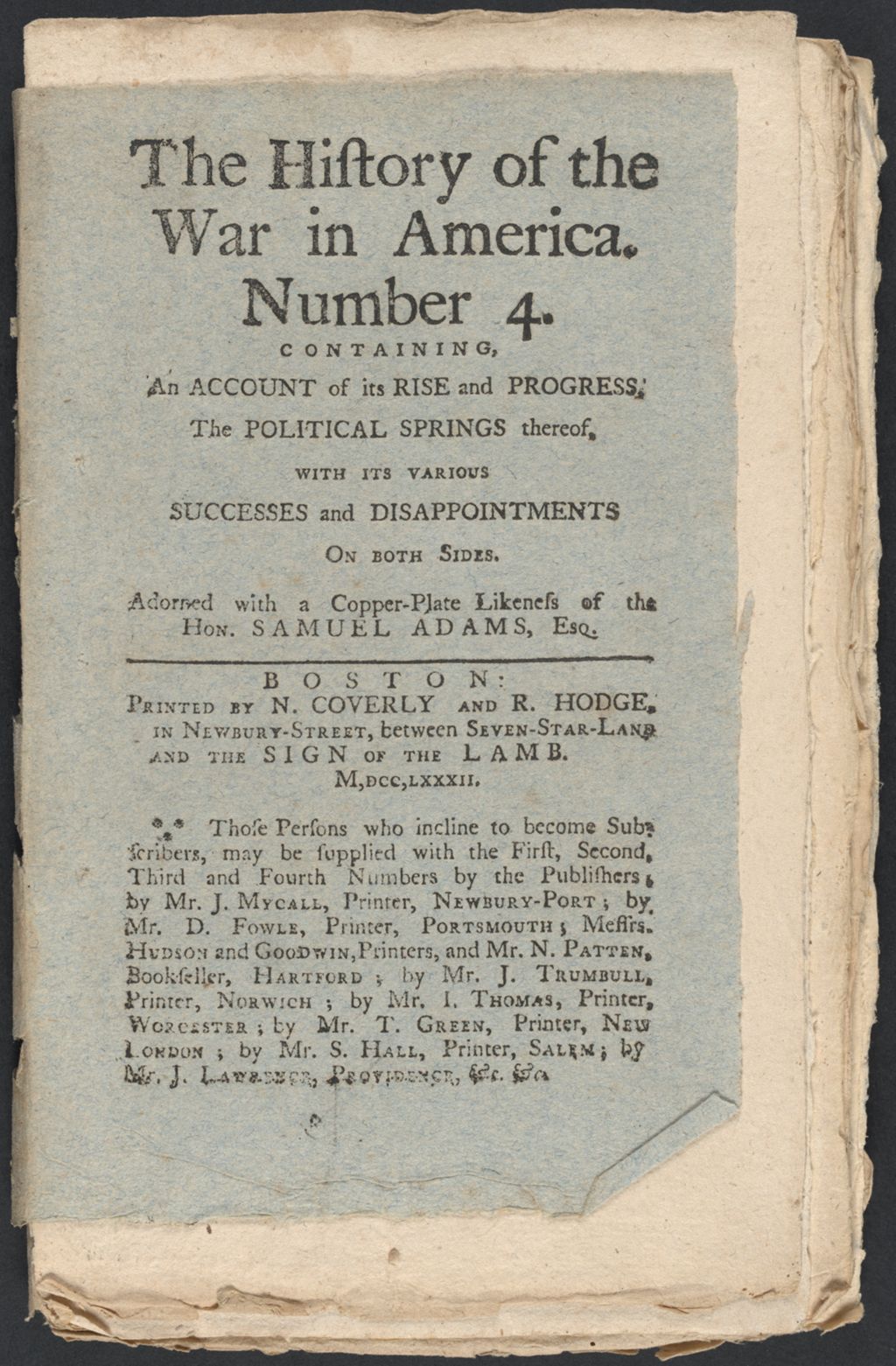
Cover page from a pamphlet printed during the Revolutionary War.
The History of the War in America. Number 4, by Nathaniel Coverly and Robert Hodge, 1782 https://oshermaps.org/container?id=112596
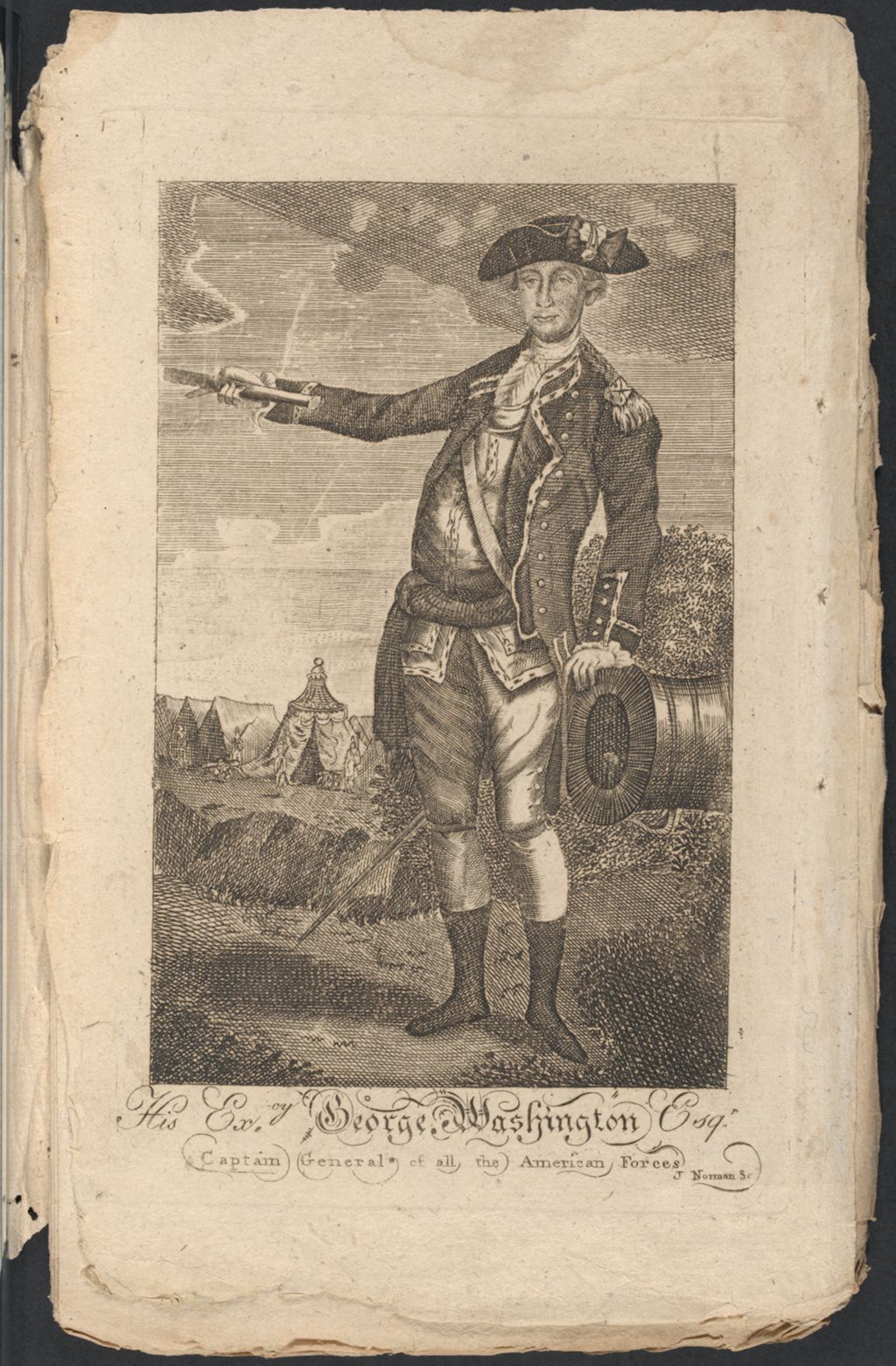
Engraved full portrait of George Washington.
General Washington, by John Norman, in Coverly and Hodge’s ‘Impartial History of the war…,’ volume 2, 1781 https://oshermaps.org/container?id=112594
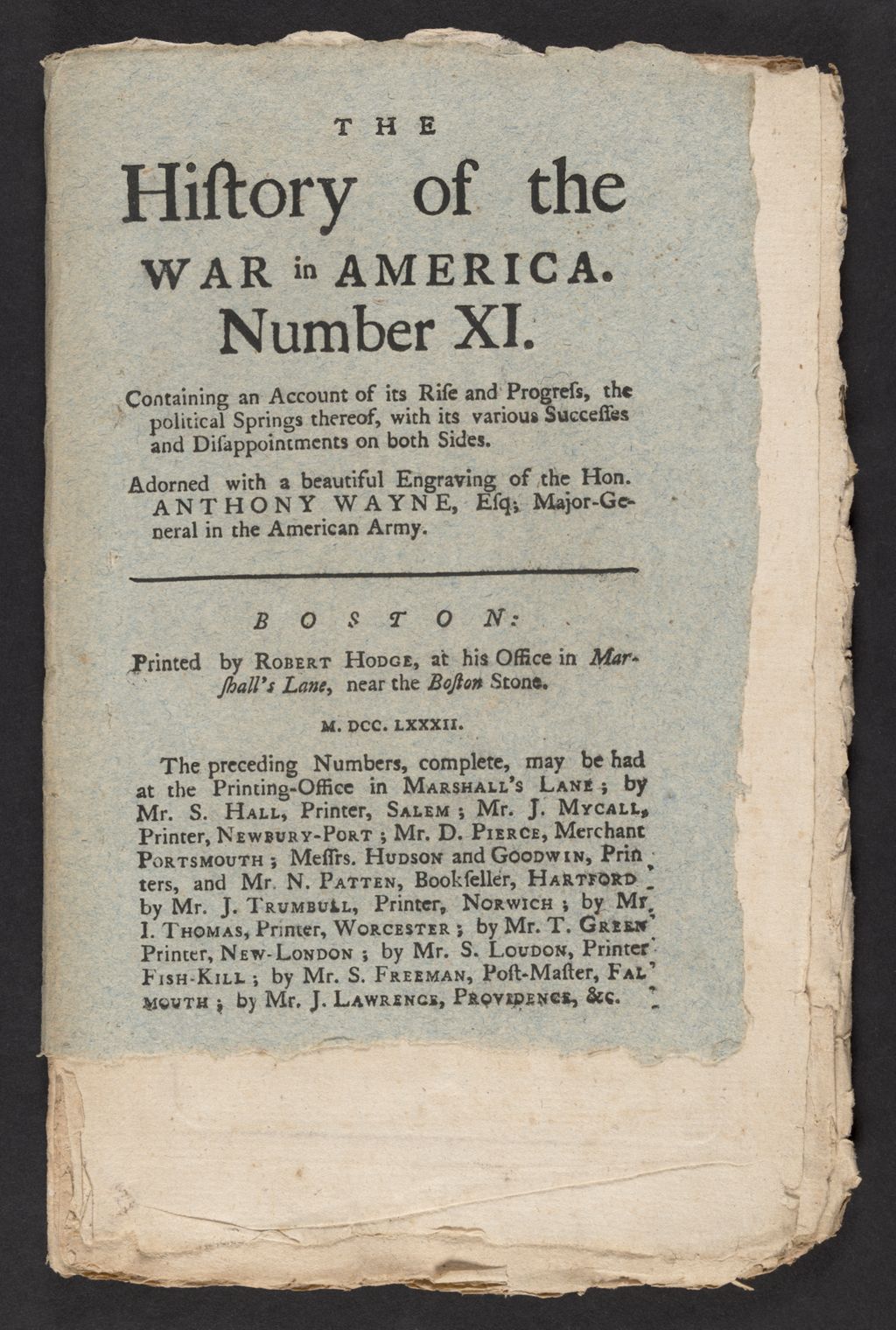
Cover page from a pamphlet printed during the Revolutionary War.
The History of the War in America. Number XI, by Nathaniel Coverly and Robert Hodge, 1782 https://oshermaps.org/container?id=112599
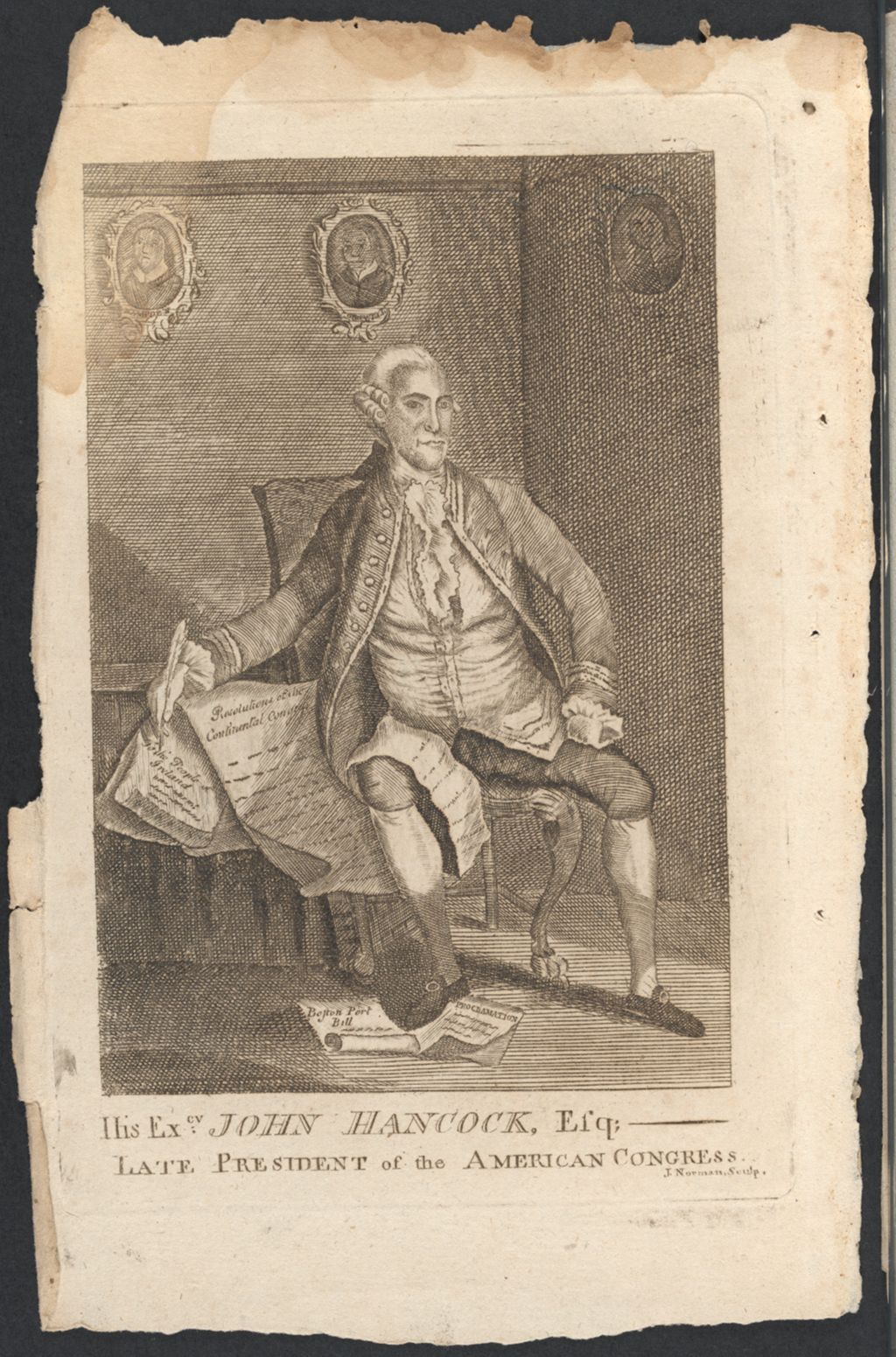
Engraved portrait of John Hancock.
John Hancock, by John Norman, in Coverly and Hodge’s ‘Impartial History of the war…,’ volume 3, 1781 https://oshermaps.org/container?id=112595

It is often asserted that newspapers are “the first rough draft of history.” Printed during the Revolution (mostly in Boston), most of these news pamphlets have their original wrappers and string ties intact, and many of the pages remain uncut. The copper-plate engravings of significant figures in the Revolution on display here (e.g. George Washington, Marquis de Lafayette, and Samuel Adams) were done by John Norman in Boston. These “impartial histories” and engraved portraits, sold by subscription, significantly influenced the historical narrative and the memory of the Revolution on both sides of the Atlantic, long before the war ended.

of