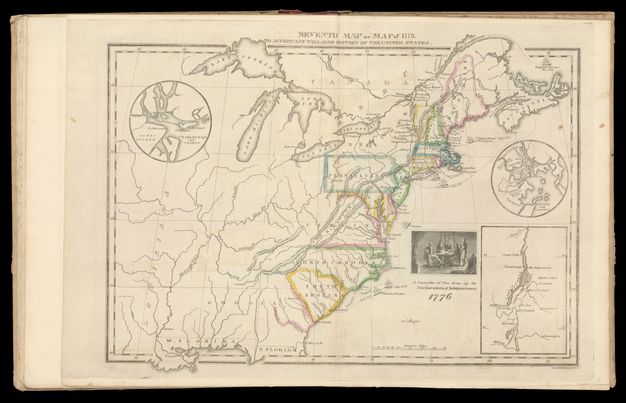
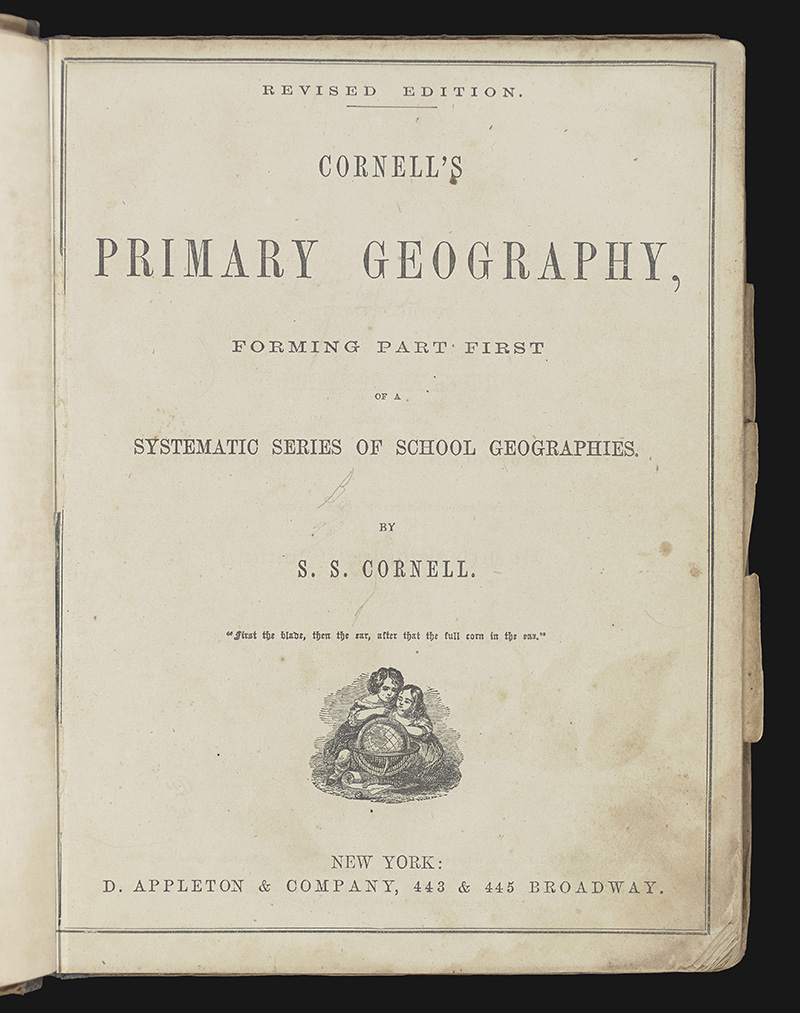
From patriotic myth to complex narratives, American textbooks have long shaped what generations of K-12 and University students have learned about the Revolutionary War (1775-1783). In the 19th and early 20th centuries, textbooks often presented the conflict as a heroic struggle for liberty led by virtuous Founding Fathers, emphasizing themes of American exceptionalism and moral clarity. British figures were commonly portrayed as villains, and enslaved people, Indigenous nations, and women were largely absent from the narrative or portrayed in a negative light. History and Geography textbook authors such as Emma Willard and Sophia S. Cornell paid some attention to women of the Revolutionary era (e.g. Abigail Adams, Betsy Ross, etc.), while emphasizing the importance of maps in teaching about this era.
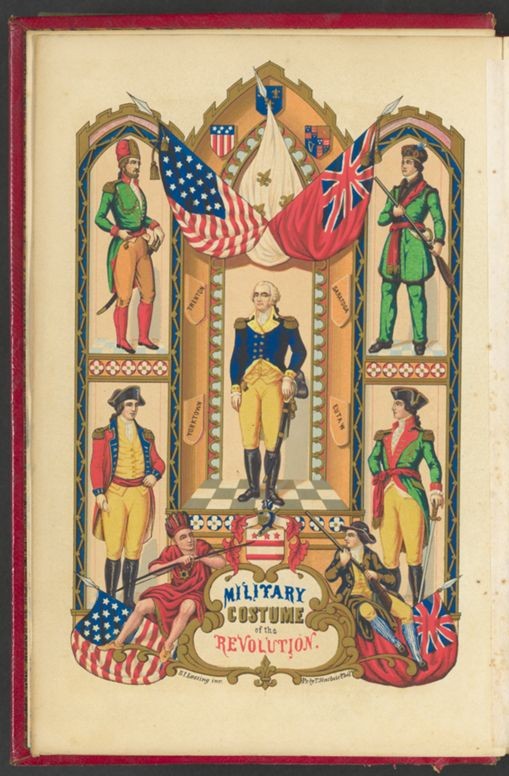
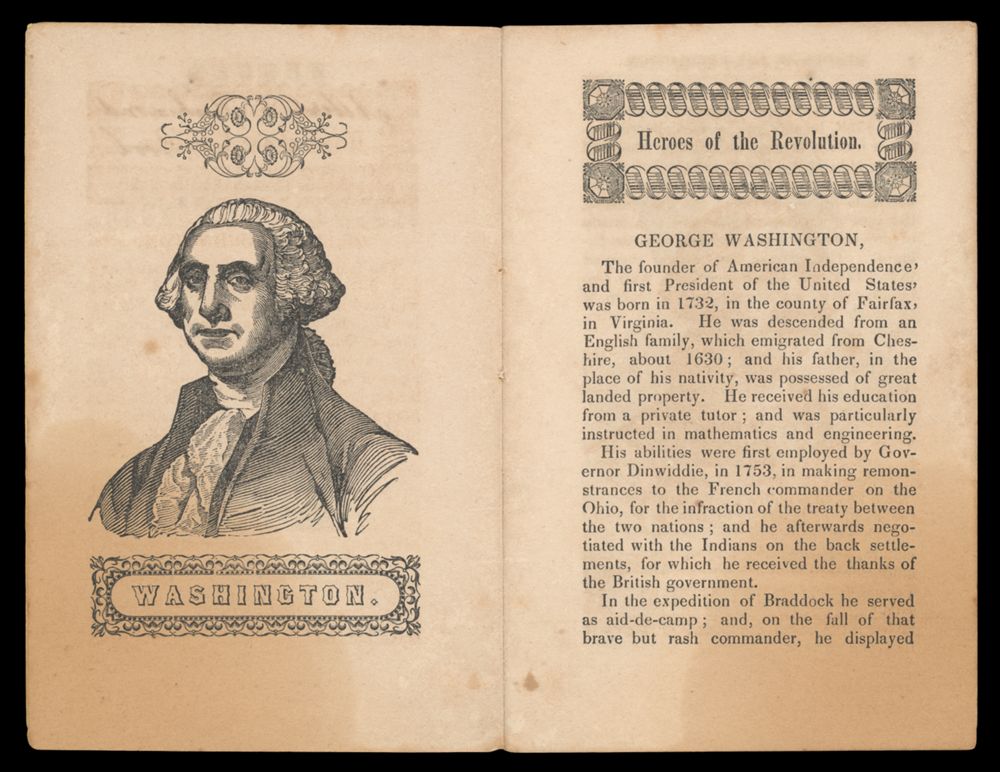
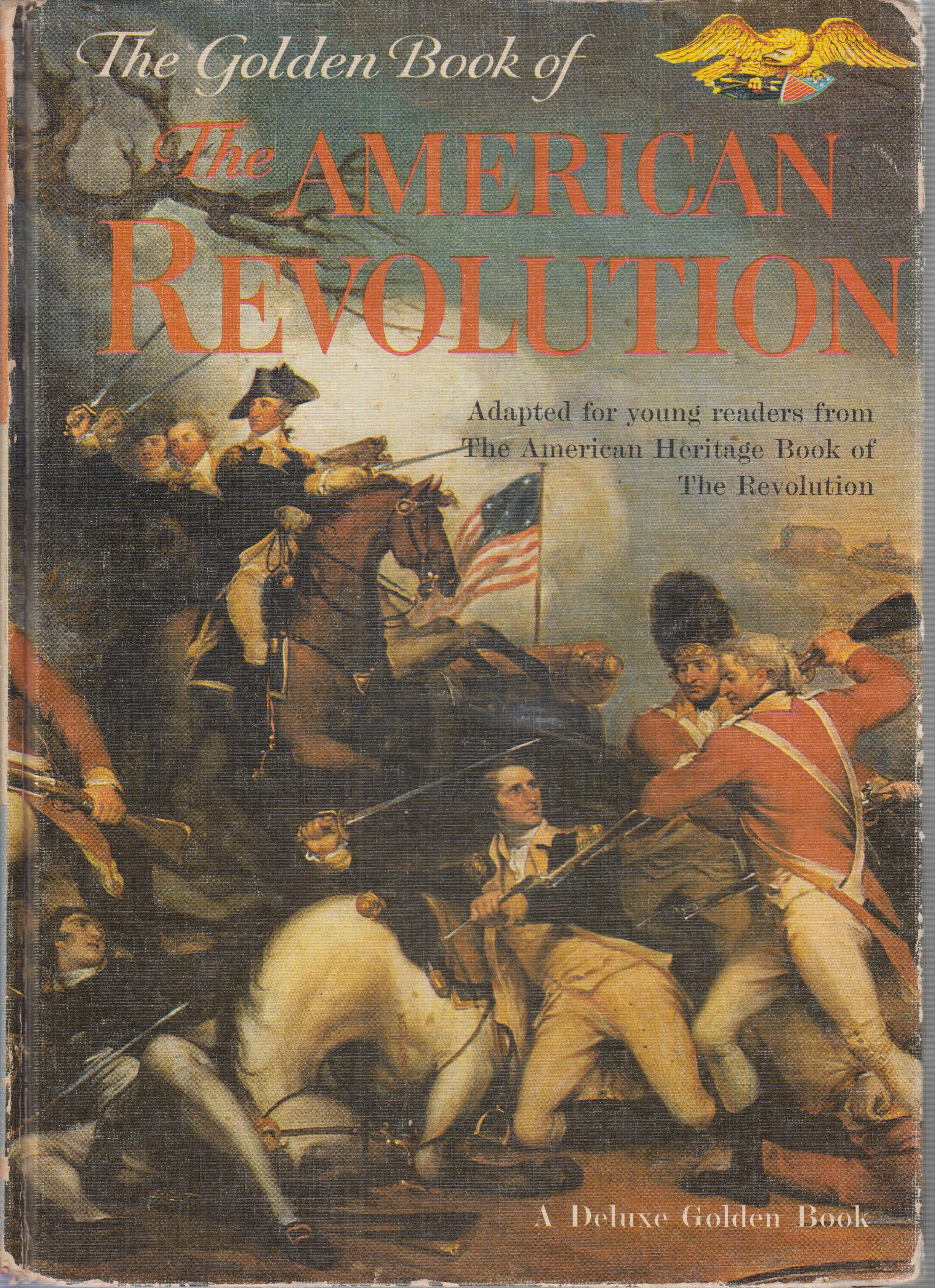
By the mid-20th century, especially during the Cold War, the Revolution was framed as a triumph of democracy over tyranny, reinforcing the ideals and memories of America’s founding in the face of global ideological conflict. Beginning in the 1960s and 1970s, amid civil rights movements, growing academic interest in social history, and the occasion of the bicentennial, textbook narratives began to slowly shift. Newer editions acknowledged the roles of enslaved Africans, Native Americans, Loyalists, and women, highlighting the Revolution’s many complexities and contradictions.
Today’s textbooks increasingly emphasize multiple perspectives, questioning whose freedom was gained—and whose was denied. These evolving portrayals reflect broader local, regional, and national cultural debates about identity, power, and the meaning of American independence.